
 Українська
 Русский
Customized tour to order
For those for whom the whole world is not enough, it is suggested to develop your individual journey.
Luxury class trips will allow you to immerse yourself in an exciting and unforgettable world
The whole program will be specially for you.
The possibility of VIP rest according to an individual program absorbed all the best.
The main distinguishing feature of VIP tours is their uniqueness.
It is very important to understand tastes and priorities.
what exactly the client wants and to implement his wishes as fully as possible.
Services:
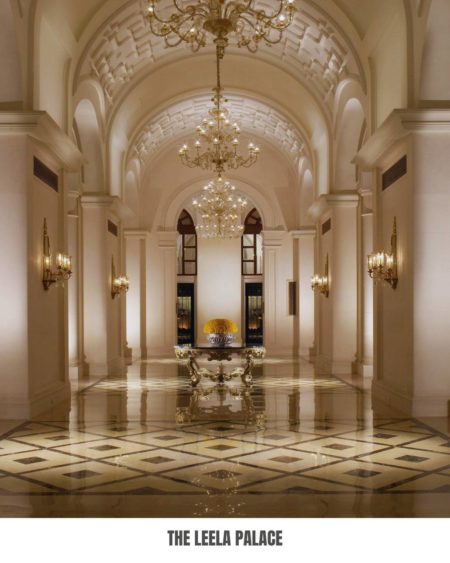
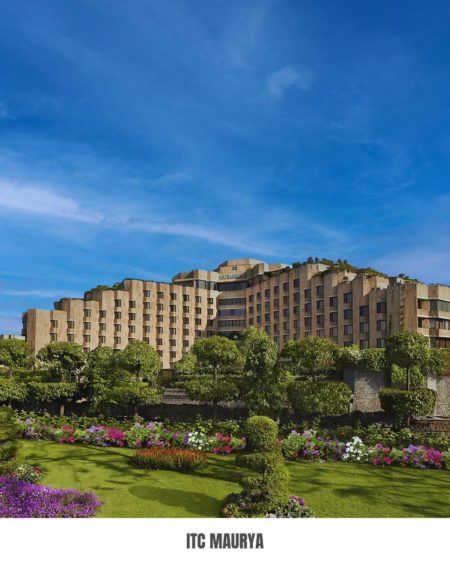
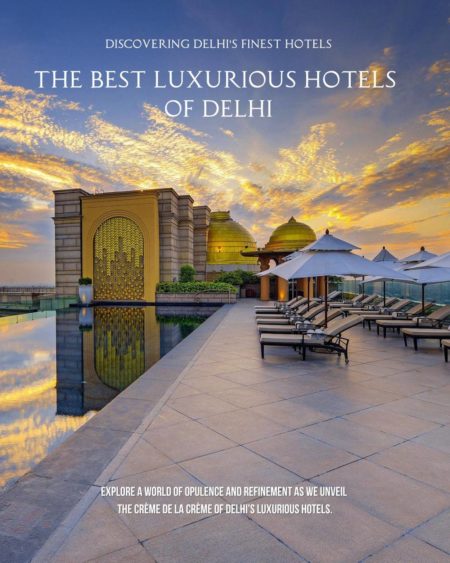
- Accommodation in a 5* hotel (Or according to your specific request.)
- organization of non-standard, personal routes;
- booking air tickets
- leasing of vehicles of any class;
- organization of any out-of-town ceremonies and their special service;
- services of guides and translators 24/7
- medical tourism
- individual transfer in any direction
- Meeting with teachers and guides, doctors.
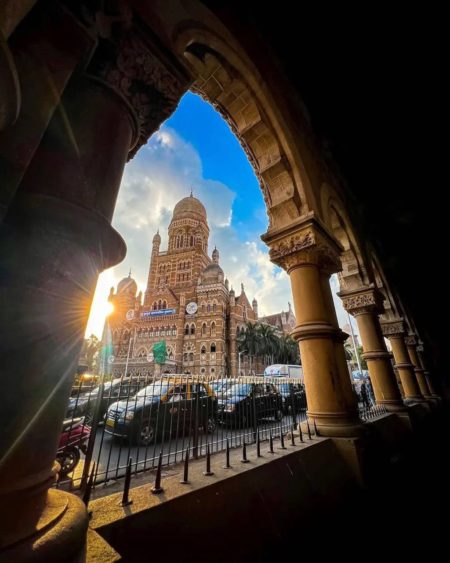
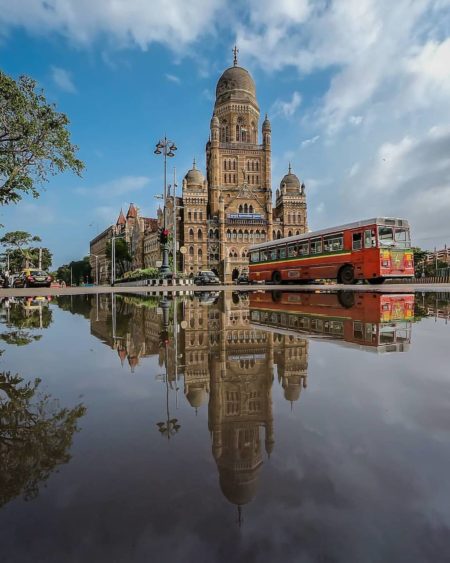
India, and where is it interesting?
Agra
Agra is part of the famous Golden Triangle of India and is 253 km from Delhi and 240 km from Jaipur. The journey by car takes from three to five hours. The fastest way to get to Agra from Delhi is by Bhopal Shatabdi Express train (around two hours), which leaves Delhi around 6 am and returns to Delhi around 11 pm. The train has seats, air conditioning, snacks and fresh newspapers are served. In addition, there are Kingfisher flights from Delhi, but taking into account the road to the airport, waiting at the airport, etc., the time costs will be similar to traveling by car.
Amritsar
Amritsar is a city located in the state of Punjab in the north of the country. It is the most important religious, historical and cultural center of the Sikhs, founded in 1577. Sikhism is a religion that originated in Punjab and incorporated the ideas of many religions, including Islam and Hinduism. Sikhs believe that God is One, they do not recognize caste, they preach the equality of all people before God, they are socially active and hardworking. Women have equal rights with men and take an active part in society. The form of worshiping God is meditation.
Sikhs believe in karma and reincarnation, and ten Gurus, whose teachings are set forth in the Holy Book, are considered the leaders of the creed. The founder of the religion is Guru Nanak (1469-1539), who was the first to formulate the postulates of the teachings and set out to preach the new religion to the people.
The new teaching, due to its humanistic ideals, quickly gained popularity and gathered around itself a new community – the Sikhs, who were well organized, united and believed in their Guru. In 1699, a congress of supporters of Sikhism was held, which proclaimed a new community – the philus, in which everyone was equal, and the general assembly was at the head. Due to historical reasons, constantly at war with external enemies, the philisa soon becomes a militarized education, where men are always ready with weapons in their hands to defend the interests of their community. The Khalsa fought against the Great Mughals and won, forming an independent state that existed from 1765 to 1849 and fell under the pressure of the British.
Today, the number of Sikhs is about 22 million, 83% of them live in India, and in turn 76% of them live in the state of Punjab. These are very hardworking and intelligent people who work hard for themselves and society. The Sikh diaspora is one of the richest abroad in the country. Every Sikh must have the 5 K’s – virgin hair which is considered a living organism (Keshas), short curved sword (Kirpan), metal bracelet (Kara), underwear (Kachha) and hair comb (Kangha). Adult men hide their hair under a turban, young people wear special headbands. Sikhs are considered the best warriors, firefighters, rescuers.
Amritsar was founded by the fourth guru – Ram Das, who, while meditating, visited the heavenly abode, where he saw the lake of Divine nectar and Immortality (Amrita) – Amritsar. A magnificent temple shone on the shore of the lake. According to the pattern and likeness of the heavenly vision, the earthly embodiment of the temple was built, and the city where it was located was called Amritsar.
Adinath
One of the five great Jain holy places, home to one of the most famous Western Indian temples, Adinath (15th century), dedicated to the first Jain tirthankara Adinath (Rishabhadeva). Stunning in its beauty, the temple is located in a forest valley among the Aravali hills. Ranakpur is considered one of the most significant temple buildings of Western India, it surprises with the wealth of sculptural decoration, exquisite carvings, beautiful cantilever ceilings, as well as 1444 marble columns, the ornament of which is not repeated. The temple consists of four buildings, each of which has a separate entrance, surrounded by a beautiful garden.
Alleppey
Alleppey (Alappuzha) is 85 km from Cochin on Lake Vembanad. It is a small commercial city, called the center of the “Venice” of India, famous for the production of coconut fiber, which is used for various purposes, including making mats, as well as the cultivation of black pepper. on houseboats by factories in Kerala.
Onam, the harvest festival celebrated all over Kerala, is celebrated here in August with great fanfare. On the second Saturday of August, the famous Nehru Trophy Boat Rice Day boat race is held here, in which various boats participate, but the snake boat race is especially popular. Each of these boats is more than 30 meters long and can have up to 100 rowers who row in a special song rhythm.
Bundi
A charming provincial town often referred to as the hidden gem of Rajasthan. Lost in the Aravali hills, the town preserves a traditional way of life and an indescribable historical atmosphere. Bundi has a difficult history, battles for it have been fought for more than 600 years. Famous for its fortresses, palaces, havelis, cenotaphs and miniature frescoes. Most buildings in Bundi are painted blue, it is quiet, clean, and there are no beggars. Most of the hotels are located in ancestral havelis. Bundi is practically unknown to foreign tourists, well-known hotel chains cannot build hotels here due to the reluctance of the local princely family.
Varkala
A picturesque village and beautiful beach in Kerala, 54 km from Trivandrum, the state capital. Lovers of yoga, peace and measured life gather here. This is a calm and peaceful place, where there are no pompous hotels (except for one Taj hotel, which cannot be called glamorous either), noisy promenades and other attributes of a popular tourist center. The village stands on a rock, you have to go down to the beach, and the “party” life of the resort is concentrated on a cliff called Cliff – there are numerous cafes, benches, yoga centers, etc.
Varkala is a famous Hindu pilgrimage center and is home to the famous Vinshnaite temple of Sree Janardhana Swamy, which is said to be over 2,000 years old. According to legend, it was built without cement and sand using a special solution. Hindus claim that when the main Deity of the temple raises his right hand to his mouth, the end of the world will come.
The main bell of the temple was donated in the 17th century by Dutch sailors in gratitude for the help of the local Gods in the sea journey. Tourists are allowed to enter the inner courtyard of the temple.
The main beach of Varkala is considered sacred and is called Papanasam (Papanasam) – “destroyer of sins”. It is believed that here you can cleanse negative karma, here you can meet priests – pandits who conduct rituals. In addition, people come here after the service in the temple to bring the ashes of deceased relatives – the beach is associated with ancestor worship. The beach is divided into two parts – the tourist part and the place where local residents perform rituals.
Varkala is also known as the place where the famous philosopher and saint Sree Narayana Guru (1856 – 1928) lived and worked. In the eastern suburbs of Varkala is Shivagiri Hill, where he established his ashram. Every year (December 30 to January 1), Varkala attracts a large number of pilgrims who come to the ashram and the site of the saint’s samadha.
Vrindavan
Vrindavan is a small city in the state of Uttar Pradesh, located 150 km south of Delhi and only 15 km from Mathura, the birthplace of Lord Krishna. Located on the banks of the Yamuna. A holy place and center of pilgrimage for devotees of Lord Krishna.
It is believed that Krishna, the earthly incarnation of God Vishnu, spent his childhood and youth here, about five thousand years ago.
According to the scriptures, Krishna was the adopted son of the shepherd Nanda and his wife Yashoda and lived in the shepherd village of Gokula. At that time, there was a forest on the site of Vrindavan, the remains of which are still preserved on the outskirts of the town. In this forest, Krishna was having fun with the cowherd women, the chief of whom was Radha. God danced a sacred dance here, in which his love for the surrounding world was revealed. Today these divine pastimes are commemorated by the dancing trees of Vrindavan, and Krishna’s pastimes inspired the poet Jayadeva to write the famous Sanskrit poem Gitagovinda.
Vrindavan is called the “city of five thousand temples”, most of which are dedicated to Krishna. In addition to temples, there are many sacred places that attract hundreds of thousands of pilgrims and tourists.
Varanasi
One of the oldest cities in the world. According to ancient legends, the history of the city dates back to the first millennium BC, in an ancient Indian epic it is said about the creation of this city by the god Shiva. Varanasi is often called the Eternal City or the City of Shiva. Varanasi is one of the oldest cities in the world. It has been called by many epithets – “city of temples”, “holy city of India”, “religious capital of India”, “city of lights”, “city of education” – and only recently was its official name restored, which was first mentioned in the Jataka – ancient stories of Hindu literature. But many still continue to use the English name Benares, and pilgrims call it nothing else than Kashi – that’s how the city has been called for three thousand years.
For thousands of years, Varanasi has been a center of philosophy and theosophy, medicine and education. Sung by myths and legends, sanctified by religion, it has always attracted a large number of pilgrims and believers since time immemorial.
Varanasi is located on the west bank of the Ganga River, which in Hindu mythology is considered a heavenly river that descended from the sky. Every day, thousands of pilgrims who wash away their sins or see their loved ones on their last journey seek the waters sacred to Hindus. More than a hundred ghats – stone steps with platforms for ritual washing and cremation – were built here. Many of them are unique in their architectural design.
It is believed that the deceased is freed from further reincarnations in Varanasi. Therefore, many Hindus, feeling the approach of death, go to Varanasi to end their earthly journey in this holy city. The Ganga embankment is like a huge temple where many believers pray and meditate around the clock.
Ceremonies held at ghats are considered to be no less effective than in temples, because the Ganga is a sacred place for all Hindus.
Jaipur
A beautiful city with a rich historical past, cultural traditions and interesting architecture. It was founded in 1727 by the eminent statesman and scholar Maharaja Jai Singh II. The city was built according to a single plan, at that time it was the only city in India with a rectangular layout. During the construction, a lot of pink stone was used, which is why the city is often called pink.
Jaipur is one of the most famous tourist centers of India, it has everything for tourists – picturesque landscapes, beautiful architecture, countless treasures collected in local museums, unique culture, colorful atmosphere and amazing shopping (the best “jewelry” is traditionally made in Jaipur)! . The culmination of the trip is usually a visit to the Amber Fort, where tourists climb on elephants, just like the Maharajahs.
Jaisalmer
The capital of the sand kingdom of the state of Rajasthan. A legendary desert city that attracts Indian and foreign travelers. Founded in the 12th century on the caravan route to Central Asia, it was originally a city of terror, whose rulers robbed passing caravans, taking valuables, silk and opium. In the 16th century, it became a peaceful and prosperous trading city, whose residents competed in the display of wealth, building rich palaces and havelis. Havelis are huge ancestral houses – palaces belonging to one family, where all its generations live.
Kanchipuram
This place is called the “golden city of a thousand temples”, due to the concentration of a huge number of shrines for representatives of the three main Indian religions: Hinduism, Jainism and Buddhism. Today there are about a hundred temples in the city, but earlier there were about a thousand. In the period from VI to VIII centuries. here was the capital of the ancient kingdom of the Pallavas, it was the largest cultural and educational center of South India. The city did not lose its importance even during the rule of the Cholov and Vijayanagar dynasties. Such Hindu saints as Chaitanya, Shankracharya, Ramanuzhda lived here.
It belongs to the seven sacred cities of India. The city is especially revered by Vishnuites and Shaivites, it seems to be divided into two parts – in the north there are temples dedicated to Shiva, in the southeast – to Vishnu. Jain temples are concentrated in the south of the city.
It is believed that this is where Ka /Brahma anchi/ worshiped Vishnu. Since puram means city, that is how the name of the city came about.
Kanchipuram is 70 km from Chen (Madras) and 64 km from Mahabalipuram (Mamallapuram). Most temples are open from sunrise to noon and then from 4 pm to sunset. Remember this when planning excursions.
Today, the city is one of the most famous centers of weaving and silk production. It is said to produce the finest and most expensive sarees in India.
Kanyakumari
The city of Kanyakumari is the southernmost point of India, located on Cape Comorin, where the waters of the Arabian Sea, the Bay of Bengal and the Indian Ocean meet. The confluence of the seas is considered sacred, important festivals are held here, and one of the sacred pilgrimage routes for Hindus ends here. The ashes of the most famous Indian, Mahatma Gandhi, were scattered here, and today a memorial to his name is located in the city.
The place is named after the virgin goddess Kanyakumari (incarnation of Parvati), who stood here on one leg for a thousand years to rid the people of an evil demon. On the island where she stood, the imprint of her foot was preserved and a temple named after her was built.
In addition, the temple of Vivekananda – the main disciple of Ramakrishna and the founder of the Ramakrishna Order – was built on the island. It is believed that it was he who discovered Hinduism to the world.
According to legend, in 1892, Vivekananda independently sailed to this stone island and meditated for 3 days, and then went to the United States, where he spoke at an international congress of religions.
Nearby is a small island where a giant statue of the great Tamil saint and poet Thiruvalluvar rises. His famous work Thirukkural is revered by Tamils as the ethical code of humanity and has been translated into more than 60 languages. The total height of the statue is more than 40 meters (133 feet), symbolizing the number of chapters of the great work. The statue was opened to the public in 2000.
Kanyakumari is one of the most popular tourist destinations in South India, which is visited by more than 2 million tourists a year.
Kerala
Kerala is the most socially and economically developed state and also, very importantly, the cleanest state in India. It is a wonderful resort area with a unique historical and cultural heritage, picturesque nature and excellent climate.
Kerala has long attracted traders and seafarers. Even before our era, the first Jews who escaped from Babylonia appeared here. Today, Cochin is home to one of the oldest synagogues in the world, and the Jewish community living here is the second largest outside of Palestine. In the third century BC, Egyptians, Phoenicians, and Babylonians traded with Kerala. King Solomon’s galleys sailed to this blessed land, famous for spices, timber and ivory. It was here that Christopher Columbus was going to sail.
Christianity came to Kerala earlier than to many European countries – in the 1st century AD, the Holy Apostle Homa, who brought Christianity to India, landed here. Later, Arabs, Chinese, ancient Greeks and Romans appeared here, and the Portuguese, Dutch, French and English arrived along the road laid by Vasco da Gama.
Christianity, Judaism, and Islam first appeared in India in Kerala, and today you can see Christian, Buddhist, and Muslim temples, quaint Chinese fishing nets, Dutch forts, and European-style villas here. Despite the influence of various peoples, Kerala has preserved its unique culture and rich historical heritage.
An interesting feature of Kerala is the cult of the mother goddess and the traditional continuation of the family through the female line. It is believed that the tradition arose during wars, when men died in battles, and children remained with the wife’s family. By the way, Kerala is the only state in India where the number of women exceeds the number of men (1,058 women per 1,000 men).
Keralites are politically active, literate and wealthy. Here you can see magnificent villas and expensive cars, a large percentage of the population works in the UAE (managers, IT specialists, doctors, workers), creating the basis for family well-being in the Motherland. The most popular political party is the Communist Party of India, there are trade unions and public organizations.
The climate is mild and tropical. There are several monsoon periods: the southwest monsoon (June-July), which improves in August and September, and the northeast monsoon (October).
Language – The national language is Malayalam, it has 54 letters. English is used everywhere.
Art and culture.
Military art Kalaripayatun is called “the mother of military arts”. According to legend, it was given to the Brahmins by the god Parashuram to free them from the domination of the warrior caste. According to experts, the art of kung fu developed precisely from Kalaripayat.
Kathakali is a theater art, one of the complex, systematic ways of expressing emotions and telling the stories of the Indian epic. Each detail signifies whole concepts hidden from the eyes of the uninitiated. To learn this art, special training is required, which includes the study of the basics of yoga, Ayurveda, as well as the mentioned martial art of Kalaripayatu. Actors paint their faces in special colors, applying makeup is a separate art that takes about two hours.
Monchiatom is a traditional Kerala romantic dance. It is performed by girls dressed in saris with jasmine flowers in their hair.
Cuisine: Kerala dishes are not as rich in pepper as in neighboring states.
Keralites love seafood and perfectly cook shrimp (in coconut shavings or milk) and fish, vegetables, they practically do not eat bread (only rice).
- when choosing a hotel, be sure to consider that most resorts in Kerala are cottage “villages” in the national style. These are, as a rule, wooden houses (in some cases they may be without air conditioning), often with an original outdoor bath. A lot of historical hotels (Heritage). If you like big, block houses, be sure to check!
- almost all hotels lack entertainment – discos, night clubs, etc. For Kerala. relaxed rest in the bosom of nature.
Cochin
The Queen of the Arabian Sea”, the commercial capital of Kerala, a large port, a beautiful and cosmopolitan city that attracts many tourists and businessmen. It has long been popular with overseas sailors and merchants who settled here and established their businesses. It has a picturesque harbor and many attractions that reflect the multinational atmosphere of the city. Located on the islands and on the mainland (Ernakulam).
There is an international airport in Cochin, where you can fly from Kyiv via Dubai, Sharjah and Abu Dhabi. While in town, be sure to attend a Kathakali dance performance and visit the many art galleries and antique shops. Jewelry stores are also worthy of attention, where you can see both European-style products and jewelry made in accordance with national customs. In Kerala, gold is valued, and every decent bride from a good family, when getting married, must wear up to 2.5 kg of gold jewelry (huge chest chains, bracelets, etc.). Silk products, textiles and various souvenirs deserve attention.
Don’t forget to try the amazing seafood that is exported to many Southeast Asian countries.
Kumbalgarh
Ladakh
Today, when Tibetan traditions have been practically destroyed by the Chinese invasion, it is Ladakh that is called the “last citadel” of Buddhism. There are ancient Buddhist monasteries (gompas) here, which have never been subjected to external interference and have preserved the original Tibetan traditions for many years. Buddhism plays a leading role in the life of Ladakh, gompas serve as centers of social and educational life in the region. Scattered in hard-to-reach places, they are still full of life and are replenished at the expense of the local population, who, according to tradition, send their youngest son to monasticism. Monasteries preserve amazing material and spiritual values, monuments of art and iconography. Currently, it is Ladakh that is recognized as the center of Tibetan Buddhism-Lamaism.
Leh
The capital of the principality of Ladakh, the most important trade and cultural center of “Little Tibet”. Previously, it was the most important transit point on the route of caravans along the Great Silk Road – caravans from all over Central Asia, Northern India, Kashmir and Tibet came here. Buddhist monks traveling around the region also rested here. After China closed the borders of Tibet, the city lost its transit importance, but, as before, is the most important center of all Indian Tibet.
Madurai
Madurai is the third largest city in Tamil Nadu, a major economic, transport, cultural and educational center of the state. Regular flights connect it with airports in Sri Lanka, Mauritius and cities in India.
It is one of the oldest cities in the country, it is more than 2,500 years old, and in different years it was known by different names. The current name is derived from the word “honey”, it is said that a drop of sweet nectar fell from Lord Shiva’s hair in this very place.
Since ancient times, the city has been known as a large trade center, from where spices were traded with Rome and Greece. Madurai is also known for its traditions in the development of Tamil culture and language, more than two thousand years ago the Tamil Academy of Poets (sangam) was established here, the members of which competed in writing works in the Tamil language.
The city is considered the center of development of Hinduism and Indian traditions. This was especially evident at the end of the 14th century, during the Muslim invasion, when the Mikakshi Temple, one of the great Hindu temples of South India, was rebuilt in Madurai.
Madurai passed from one ruler to another many times, it was the capital of the Pandyas, ruled by the Nayaks and other dynasties. In 1801, Madurai came under the control of the British East India Company, and in 1866 it received the status of a municipality.
The main attraction of Madurai is the Meenakshi Sundareshar Temple, which is called the Eighth Wonder of the World and is visited by up to 25 thousand people every day.
Manali
A picturesque mountain town located at an altitude of about 2000 meters above sea level. It is famous for its excellent ecology, beautiful panoramic views, clean air, apple orchards and amazing nature. In the vicinity of Manali there are opportunities for active sports (trekking, rafting, paragliding, zorbing, fishing), interesting excursions are offered – to local temples and surrounding towns, to the Rotang Pass, to the Solang Valley, picnics, walks. There is a large selection of hotels of different price levels (there are also quite decent ones), aimed mainly at the Indian consumer.
No wonder Manali has become one of the hubs of domestic tourism in the country. This is the real capital of the honemuners (newlyweds), who are easily recognized by the numerous red bracelets on the hands of the young wife. Newlyweds can be seen everywhere – special hotels and restaurants are built for them, programs and discounts are offered. Traditionally, most marriages in India are still arranged by parents, so young people really get to know each other only after the wedding. Honeymoon for young people is a time of acquaintance and mutual courtship. By the way, divorce in India is practically impossible, the man is chosen forever, as a result, the resort is full of couples stroking each other with slightly bewildered eyes. And how would you feel in their place?
Visiting Manali makes a really strong impression: wooden temples that look like ancient Russian hermitages and Chinese pagodas at the same time; houses covered with shale, national costumes of local residents, ancient pine trees and an amazing panorama of the mountains that opens from every corner and window.
There are a number of interesting sights in the city and surroundings of Manali, including: the temple of the goddess Khadimba, several small Tibetan gompas, the temple of Manu (the only person who survived the Great Flood – the progenitor of mankind), the village of Washit with hot springs that are considered healing.
Mandi
A small town with a population of 25,000 people, which used to be the most important transit point on the Indo-Tibetan route. The city lies at the entrance to the Kulu Valley, through which the road leads to the highlands of India – Ladakh and Kashmir.
It is home to more than 300 temples dedicated to the gods Shiva and Kali, many of which are located right next to the Beas River, which is why the city is also known as Chhoti Kashi (Little Varanasi). Many classical temples belong to a rare type, recognized as objects of historical importance, and are under the protection of the Archaeological Survey of India. The most famous is the medieval Bhutnath Harm, dedicated to God Shiva and built in 1520.
The town is also home to a Sikh Gurudwara, which is clearly visible from the road. The most famous attractions on the outskirts of Mandi are two lakes – Rewalsar.
Manikaran
The holiest place in the Parvati valley is Manikaran, a sacred place for Sikhs and Hindus. It is a small town located at an altitude of 1,760 m on the banks of the Parvati River, which has many hot springs with medicinal properties.
Manikaran got its name from the word “earrings”, which were allegedly placed on the river bank by the goddess Parvati, and which were stolen by the Universal Serpent Shesha. Lord Shiva’s husband Parvati’s third eye opened in anger and he pinned the thief, forcing the snake to return the jewel. As a result of the incident, the hot springs, which remain so until now, were pumped out of the ground. In the hot waters, they bathe, treat rheumatism and even cook food – gifts to the Gods.
Manikaran is a place of pilgrimage for Sikhs and Hindus.
Sikhs believe that the founder of the religion, Guru Nanak, stayed at this place after traveling through the Himalayan valleys and hills with his disciples before establishing his ashram. Here is the gurudwara (Sikh temple) of Sri Guru Nanak Dev Ji, where there are hot spring baths where Sikhs bathe. There is a public kitchen nearby, where anyone can get food. The Gurudvar also accepts all those who wish, regardless of religion, an important condition is that the head must be covered. The temple is also revered by Hindus.
Mathura
Mathura is one of the oldest cities in India, located in the state of Uttar Pradesh, 50 km north of Agra and 150 km south of Delhi. According to Hindu scriptures, it was in Mathura that Lord Krishna, the earthly incarnation of Lord Vishnu, was born 5,000 years ago.
Krishna was born in the prison where his parents were at that time. After his birth, he was miraculously transferred to the village of Gokula (near present-day Vrindavan), where he became the adopted son of the shepherd Nanda’s family.
Mathura is one of the seven sacred cities of India, a place of pilgrimage for devotees of Lord Krishna. Especially many pilgrims come to Mathura for the birth of Krishna – Janmashtami (August-September) and Holi (February-March).
Mahabalipuram (Mamalapuram) is a small resort town near Chennai (Madras), which was an important port of the Pallava dynasty in the distant past. It is known for its unique combination of a beach holiday with the opportunity to visit the famous temples of the state of Tamil Nadu.
The Mahabalipuram temple complex unites several temples – a complex of cave temples with a grandiose relief of “The Ganges Ascending to Earth” (length 27 m, height – 9 m), a coastal temple and a temple of Five Raths (chariots) carved from stone. The bas-relief of the Ascent of the Ganges or the Penance of Arjuna is considered one of the best Indian bas-reliefs.
Mahabalipuram beach hotels are located on endless wild beaches and are aimed at both Indian and foreign tourists. Despite the presence of some tourist infrastructure, a beach holiday in Mahabalipuram is quite calm, there is no noisy entertainment and nightlife, and the choice of hotels is much more modest than in popular Goa or Kerala. Nevertheless, the resort has both modest hotels designed for budget tourists and decent hotels of respectable chains for demanding tourists.
Munnar
We would advise our tourists to limit their stay to 1-2 days and when staying, do not chase after the “stars” of the hotel, but settle in small manor hotels or hotels in the jungle in order to feel the spirit of the area.
Points of interest in and around Munnar:
- Tea Museum – owned by the Tata Corporation and tells about tea production in the region.
- Chinnakanal is a town near Munnar with beautiful cascading waterfalls.
- Rajmala (15 km from Munnar) is a part of Eravikulam National Park, the second largest national park in Kerala. This is an area of the most beautiful alpine meadows and rock formations, home to 50% (1,317 of 2,000) of the world’s rare NilgiriTahr mountain goats. Another “highlight” of the park is the rare Neelakurinji flower, which is known for its beauty and is used for medicinal purposes. Blooms once every 12 years (last bloomed in 2006). Here is the highest peak in South India – Mount Anamundi.
- Mount Anamundi is the highest peak in South India (2,694 m above sea level) and the highest Indian mountain outside the Himalayan range. Climbing the mountain is carried out with the permission of the administration.
- Mattupetti (13 km from Munnar, 1700 m) is a picturesque lake where you can ride boats while admiring the surrounding scenery. There is also a cow farm belonging to an Indian-Swiss JV, where beautiful and fat brown cows of the Swiss dairy breed are bred, which give high milk and live in a cowshed (all this is extremely exotic for Hindus, where thin cows freely roam the streets ).
- Kundala – tea plantations and a beautiful lake. Aruvikkad waterfall is nearby
- Echo Point (15 km from Munnar) is a place with a beautiful echo and a memorable mountain panorama. It is on the way to Top Station.
- Top Station (the highest point) is located 27 km from Munnar and offers a stunning view of the surrounding area, including and in Tamil Nadu. Neelakurinji flowers also grow here.
- Palivasal (3 km) – Kerala’s first hydroelectric power station is located here.
Pushkar
The holy city, where hundreds of thousands of pilgrims and tourists come every year, is one of the most important pilgrimage centers in India. There are about 400 temples and the only temple of Brahma – the Creator in India. The name of the city comes from the words pushpa (lotus flower) and kar (hand). It is said that this is where Brahma dropped the lotus petals and where they fell, three lakes formed right in the middle of the desert. The largest of them is the most revered.
In October – November, the largest livestock exhibition in Asia is held here, which is considered the best camel fair in the world.
Rishikesh
Set against the backdrop of the Himalayas, with the pristine Ganga River flowing through it, the ancient city of Rishikesh is one of the major tourist and pilgrimage centers of northern India, attracting people from all over the world in search of tranquility. Rishikesh is often called the “yoga capital of the world” and rightly so. This place is crowded with visitors who come here to learn yoga and meditation.
Rishikesh has many ashrams, some of which are recognized worldwide as centers of philosophical studies, yoga and other ancient Indian healing traditions. The Uttarakhand Tourism Development Board organizes the annual International Yoga Festival (IYF) here, which attracts thousands of yoga enthusiasts.
Several legends are associated with Rishikesh. Rishikesh is said to be mentioned in the ancient text Skanda Purana and in the epic Ramayana. It is said that Lord Rama along with his brothers came to Rishikesh to do penance after killing Ravana.
The name of the city is connected with the word rishi, which means sage. Ascetics, yogis and pilgrims seek to learn special wisdom in this city. A lot of those who are interested from many countries of the world also arrive.
Rishikesh is located in the foothills of the Himalayas, on the headwaters of the sacred Ganges, it is also known as the “Gateway to the Himalayas”, and is 25 km from another holy Hindu city of Haridwar, being the starting point for the oldest mountain pilgrimage sites such as Badrinath , such as Badrinath and Yamunotri.
Rajasthan
Rajasthan – the largest state of India – is located in the northwest of the country. The area of the state is 342,000 km2, its territory is divided in half by the Aravali range. Most of the territory is occupied by the Thar desert.
Rajasthan or “land of rajas” (translated from Sanskrit raja means “ruler”) is a legendary land worthy of a separate trip. Rajas or local princes, local kings and rulers were always famous for their independent and warlike character and repelled any conquerors. In the past, it was Rajasthan that became the stronghold of the struggle against the Great Mughals and English colonization, and even the government of independent India had to negotiate with the rajas about the inclusion of their lands in a single state. The new education was created from 22 kingdoms and today is one of the most colorful regions of India. Sand dunes, forested hills and amazing lakes, beautiful palaces and majestic forts, men in unusual turbans and women in colorful clothes, bustling cities and quiet villages, camels, elephants and tigers, hot days and cool evening breeze – all this. You can travel to Rajasthan on a fabulous train decorated in the style of the great maharajas. Tickets for it, of course, are not cheap, but it is worth it.
Like pearls, outstanding architectural monuments are scattered all over Rajasthan – impregnable fortresses, luxurious palaces and picturesque havelis (patrimonial houses), many of which are still the ancestral nests of the state’s rajas and wealthy families.
Many of them are now converted into hotels, and by staying, tourists can fully experience the spirit of Rajputana. The population of the state has preserved the traditional way of life, customs, culture and creativity of Rajasthani people – another treasure that attracts to this land.
Jewelery art is an integral part of the culture of Rajasthan. Everyone wears jewelry, even animals. It’s no wonder that there are so many jewelers here who create amazing creations! The most famous jewelry center is Jaipur, where experienced masters of emerald and diamond cutting work and there are “jewelry” dynasties in which the skill is passed down from generation to generation.
Paintings and Crafts of Rajasthan. The state is famous for its painting, especially bright and colorful miniatures, as well as traditional frescoes. Local carved wooden furniture, handmade carpets, embroidered sarees, beautiful ceramics, camel skin products are also popular. The painting of Mewar (Udaipur), Kishangarh, Bundi miniatures is especially famous.
Festivals and fairs are an important part of life in Rajasthan, here they are held throughout the year, whether it is a significant religious date or harvest. The holidays are celebrated with grandeur, riotous merriment, songs and dances.
Revalsar
Rewalsar is a sacred lake for followers of Buddhism, Hinduism and Sikhism. The lake is especially revered by Tibetan Buddhists as it is believed that the great teacher Padmasambhava (Guru Rimpoche) spent time in meditation here before his journey to Tibet to revive Buddhism. Guru Rimpoche’s activities contributed to the spread of Buddhism in Tibet, he built many monasteries and created many sacred texts. Buddhists consider him to be the second Buddha who brought Vajrayana or Diamond Chariot Buddhism to the people. Several Buddhist monasteries were built near the lake and Buddhist festivals are held. The festival held in the year of the Monkey is considered particularly important, when the Dalai Lama himself arrives here to perform puja (prayer) and kora (ritual circumambulation).
Hindus believe that under the lake there are seven more sacred lakes associated with the activities of the Pandava brothers (characters of the Mahabharata epic). The tenth Sikh Guru, Gobind Singh, spent a month here to meet the mountain kings and ask them for protection from the attacks of the Mughal emperor Aurangzeb.
Adherents of every religion built their temples near the lake, which made the view of the lake extremely picturesque. Carps live in the water, which are considered sacred (they cannot be caught). Pilgrims saying prayers and numerous temples create an indescribable atmosphere of holiness and peace.
Tamil Nadu
The state of Tamil Nadu is located in the southeast of India. The area is 130 thousand square kilometers, the population is more than 72 million.
man. It is one of the largest and most famous states of the country. Tamil Nadu is the second largest industrial power and the most urbanized state in India. The IT industry, biotechnology and mechanical engineering are developed here. An important role is usually played by the textile (especially knitted) industry, and even agriculture.
But the main thing that attracts many tourists to Tamil Nadu is the ancient culture, rich history and world-famous temple complexes.
For many centuries, powerful states and dynasties existed on this land, which had an impact on the development of the entire region and left numerous cultural monuments and architectural masterpieces. As a result, Tamil Nadu formed a powerful and unique Hindu culture, based on ancient Dravidian traditions, practically unaffected by Muslim influence.
The Dravidians are a people who inhabited South India, who created and developed ancient civilizations that had their own culture and writing. Tamils consider themselves descendants of the Dravidian civilization and custodians of the original Hindu culture. The Tamil language they speak is considered a classical language and has a rich literary heritage with more than 2,000 years of history. The language is recognized as official in Sri Lanka and Singapore, widely spoken in Malaysia and southern Kenya. It has its own alphabet, practically no Indo-Aryan borrowings.
Today in Tamil Nadu we can observe the colossal cultural heritage of the Dravidian civilizations, all over the state there are stunning temple complexes, saturated with spiritual energy and those that please the eye with unusual colors and forms. Here are four of the five temples symbolizing the Vedic elements: earth, water, fire, air, ether (akasha), 274 Shiva temples, the most revered in India, 108 Vishnu temples and many other sanctuaries revered by representatives of various religions.
A trip to Tamil Nadu is perfectly combined with a trip to Kerala, Karnataka and Sri Lanka.
The best time to visit is from late November to March and also in the summer between monsoons. April-March is hot, June-September is monsoon (with a weakening of bad weather in August-September), the second monsoon is October-December (with increased rains in November).
Three times
Trichi is an ancient city that passed from the hands of the Pallavas to the Pandias many times and vice versa. In the 11th century, the administration of the city passed to the Chola dynasty, who had high ambitions and implemented projects that demonstrated the power of the state. The construction of the Ranganathaswamy Temple in Srirangam can be a proof of this policy. After the Cholovs, the kings of the Vijayanagar Empire, the Nayaks of Madurai, and the British ruled the city.
Landmarks of Trichy:
- Ranganathaswamy Temple in Srirangam,
- Rock Fort,
- Sri Jambukeshwar Temple
- St. John’s Church (now a museum), where there are sculptures of Buddha, Vishna, Mahavira.
Thanjavur
The city has a glorious past – for almost a thousand years it was the capital of three powerful dynasties – Cholov (IX-XII centuries), Nayakov (1535-1676) and Marathas (1676-1855). From the 10th to the 11th centuries. here was the capital of the glorious Chola Empire, the boundaries of whose influence during its heyday stretched all the way to Southeast Asia.
The most famous Chola king is considered to be Rajaraja, who ruled at the end of the 10th – the beginning of the 11th centuries. During his reign, the empire grew in military strength, but also gained effective governance. The territory of the state was expanded, the Maldives and Sri Lanka were conquered, diplomatic relations with China were established.
The cultural expansion of the Chola expanded, both in the country and outside its borders, “great Chola temples” were built, which had a clear influence of the empire (for example, the Prambanan temple in Java).
Temples were built on the territory of the empire in India, which are indisputable evidence of the highest achievements of the Cholas in architecture, painting and sculpture and are included in the UNESCO World Heritage List: the Great Brihadishwara Temple in Thanjavur, the Gangaikondacholishwara Temple and the temple.
The city of Thanjavur, which has been the capital of Cholov for a long time, is also known for the development of arts and the talents of its inhabitants. They are said to be excellent musicians and dancers, it is said that this is where the classical dance Bharatnatyam originated, the city is famous for its musical instruments, singers and musicians.
Even during the Cholov Empire, Thanjavur became one of the most important centers of the art of bronze sculpture, which is considered unsurpassed in India and known throughout the world. Bronze products are made in the “lost wax” technique, when the model is first sculpted from wax, then covered with layers of clay and fired. Metal is poured into the cavity formed by the leaking wax and, when it cools, the clay is removed and the statuette is polished. Today in the city you can visit workshops, where you can not only watch the work of masters, but also buy the products you like.
The city is also famous for its Thanjavur paintings, which are considered classic South Indian art. Painting originated during the Chola period, when artists decorated palaces and temples with frescoes. Art also developed under the Nayaks, and after the fall of the Vijayanagar Empire, it took a new development as many Vijayanagara artists moved to Thanjvur and created a new artistic style.
Thanjavur painting is characterized by bright colors and decorative elements, inlaying with semi-precious stones, pearls and multi-colored glass, gilded foil is used. The subject is mainly religious, but today you can find wonderful works on other subjects. The hollowed-out plot is Krishna in the form of a baby with rounded forms and almond-shaped eyes. Paintings and pictures made in this technique can also be purchased at local shops and workshops.
Another specialty of Thanjavur is local coffee, which has a special taste and preparation. The coffee is brewed with the help of special filters to be very strong, when consumed, it is diluted with hot water and milk and served in special two-part metal cups.
The main attraction of Thanjavur is the Great Brihadeshwar Temple, included in the UNESCO World Heritage List.
Trivandrum (Thiruvananthapuram)
The capital of Kerala, located near the southern tip of the Hindustan peninsula. The capital of the powerful and famous principality of Travancore and the residence of its rulers from 1750 to 1956. Earlier, the capital of the principality was in Padmanabhapuram (1550 – 1750), but in 1750, Raja Marthanda Varma decided to devote himself to the service of Padmanabhe (an incarnation of God Vishnu lying on the sacred snake) and moved the capital to the city of the sacred Serpent.
The new capital began to develop rapidly – irrigation fortifications were built here, and salt mining began. The Raja established good relations with the British, one of whom became the chief minister at the court of Maharana Lakshmi, who ruled the principality. An English officer, Colonel Munro, created a health care and education system in the principality, continued irrigation and construction work. In 1829, Swami Thirunal, the son of Maharani Lakshmi, who was famous for his progressive views, came to power in the principality. He implemented a number of progressive social and educational reforms and formed a legislative council. In the 20th century, the Hindu temples of Travancore opened their doors to members of all castes.
Today’s Trivandrum is a small (by Indian standards), but the largest city in Kerala (with a population of about one million people), a large administrative and educational center.
Here is the University of Kerala, many research organizations, the most famous of which is Vikram Sarabhai Space Center (Indian space research center), Technopark, Institute of Space Technology, Institute of Information Technology, etc.
In Trivandrum there is an international airport, a large railway station. It is one of the greenest cities in India.
Udaipur
Udaipur is the pearl of Rajasthan and the whole of India. This romantic and fabulously beautiful city is considered one of the most beautiful cities in India. It was founded in 1559 as the new capital of the Mewar principality, after the previous capital of Mewar, the fort of Chittorgarh, was destroyed. The Mewar rulers from the Sisodia family always claimed seniority among the rajas, were known for their courage and adherence to Rajput traditions. They rejected any alliances with the Great Mughals and only in 1614, when all of Rajasthan was conquered by the Mughals, recognized themselves as their vassals. At the same time, the city of Udaipur was never conquered, even the great Akbar could not conquer it.
Today it is a beautiful white city, with marble palaces and beautiful lakes, a stay in which can be a magical addition to a trip to the Golden Triangle or any other part of India. Stay here for at least two days – Udaipur has a lot to see and places to relax.
Haridwar
Haridwar (also called Hardwar) is the holiest Hindu city in Uttarakhand, conveniently located at the source of the Ganges River. Residents come here in droves to bathe in the rushing waters of the Ganges.
The throngs of people that gather around the Harki Pairi ghat give Haridwar a sense of chaos and at the same time a powerful religious aura. As in Varanasi, it is easy to get caught up in the hustle and bustle of the hustle and bustle. In India’s religious hierarchy, Haridwar is more important than Rishikesh, an hour’s drive north. Every evening, the Ganges River comes alive with the twinkling lights of votive candles lowered into the water.
The city is dotted with impressive temples, both ancient and modern, as well as dharamsalas (pilgrim hotels) and ashrams, some of which occupy an area comparable to a small village. Haridwar is very busy during the yatra (pilgrimage) season, from May to October. The annual Magh Mela religious festival is also held here.
The main street of Haridwar – Railway Road (Railway Rd), which turns into Upper Road (Upper Rd, the upper road), runs parallel to the channel of the Ganges (the river itself flows further east). As a rule, only cycle rickshaws are allowed to travel between Laltarao Bridge and Bhimgoda Jhula, or Bhimgoda Bridge, so traffic travels on the opposite bank of the river. The streets of Bara Bazar lead south from the Har-ki-Pairi ghat.
Since this city is sacred, only vegetarian food and soft drinks are served here.
Landmarks of Haridwar
Har-ki-Pairi Ghat
Har-ki-Pairi (Har-ki-Pairi; “Footprint of God”) is the place where, according to legend, Vishnu dropped a few drops of divine nectar and left his mark. It is sacred to Hindus. Here you can wash away your sins. Pilgrims bathe in the swift currents of the river and donate money to priests and temples.
Tourists can mingle with the crowd to take part in ancient religious rituals that are still valid today.
The best time to visit the ghat is early morning or before dusk.
Temples of Mansa Devi
Take the cable car (Rs 48 both ends; 7am-7pm Apr-Oct, 8.30am-6pm Nov-Mar) to reach the crowded mountaintop temple of Mansa Devi (which grants wishes to the goddess). Along the path leading to the cable car are tents selling packets of prasad (food offerings for religious ceremonies) to be offered to the goddess on the mountain. You can go on foot (1.5 km), but be aware of monkeys stealing prasad. It is forbidden to take pictures in the temple.
Many visitors and pilgrims combine this visit with a visit to the Chandi Devi Temple on Neel Hill, which is another 4 km by cable car to the southeast of Haridwar. The temple was built by Raja Suchet Singh (Suchet Singh) of Kashmir in 1929 in Mansi Devi – and you can ride both cable cars.
Kumbha Melav Haridware
is the largest religious festival and perhaps the most spiritually and uniquely enchanting holiday with wonderful people, exhibitions, stalls, shops and experiences.
The festival is the only one of its kind and recognized by UNESCO as an intangible cultural heritage of humanity. The Kumbha Mela is the third in a row to receive such international recognition after the practice of yoga and Navroj.
According to the UNESCO board, it is the most peaceful and numerous religious gathering on the planet where people of different classes, creeds and walks of life come together to share in spiritual experience without any discrimination.
The Kumbha Mela has several traditional versions that have been held over the centuries with the same schedule and similar pattern:
The main Kumbha Mela is held every 3 years.
Ard Kumbha Mela – Ard (floor) – Kumbha is held every 6 years in Haridwar and Prayaz, Allahabad.
Maha Kumbha Mela – is the biggest of all and is held once every 12 years at 4 locations across the country – Prayag, Allahabad, Haridwar, Ujjain and Nashik – determined by astrological calculations based on the movements of the planets as per the Hindu calendar.
The Kumbha that is taking place now is the Ardh Kumbha, which is held every 6 years when, according to Hindu astrology, Jupiter is in the house of Aries or Taurus, and the Sun and Moon are in the house of Capricorn, during the Hindu month of Magh in winter. The festival starts from January 14, 2024 to March 8, 2024 and is held at Sangam, the confluence of sacred years known as an auspicious place.
Kumbha in Sanskrit means a pot or a pitcher. In the Hindu religion, sacred jars used for pujas and prayers are of special importance. According to the legend behind the festival, it once happened that all the Hindu gods lost their power and magical power. In order to regain their strength, they made a pact with the demons and began plucking the primordial ocean of milk to obtain amrita (the nectar of immortality and power).
The nectar was to be divided equally between gods and demons, however, as soon as it was obtained, a battle began that lasted for 12 long years. During this battle, the sacred Garuda flew away with a pot containing nectar. During its flight, a few drops of nectar are known to have fallen on auspicious places like Haridwar, Allahabad, Ujjain and Nashik, which are popular pilgrimage destinations for Hindus. That is why the Kumbha Mela is held in these places.
Spiritual ablution in the sacred waters of the Sangam, which is the confluence of the two rivers, is the main ritual that takes place at the Kumbh. Taking a holy bath during this sacred period is believed to absolve the people and their ancestors of their sins, thus freeing them from the cycle of life, death and rebirth. Pilgrims start lining up for a dip in the holy waters starting at 3 o’clock in the morning. This bathing is called Shahi Snan (royal ablution) and is performed on special dates of the Kumbha Mela.
Chittorgarh
The largest and most powerful fort in Rajasthan (area 280 hectares), served as the capital of the Mewar rulers from the Sisodia family and the object of numerous raids by invaders as part of the Great Mughals. The first siege happened in 1303, when Sultan Ala-ad-din wanted to capture not only the fortress, but also the beautiful queen Ranipadmini. When the enemy approached, the queen and 13,000 other women performed jauhar (ritual self-immolation) to avoid the enemy.
About 50,000 Rajput warriors died in the battle for the fort. The second raid on the fort was carried out by the Gujarati Sultan Bahadur Shah, he fought the army led by Queen Ranijavaharbai, who died on the battlefield. And again thousands of women made jauhar inside the fortress. The third attempt to capture the fort was successful – in 1567 it was conquered by the great Mughal emperor Akbar. Rajputs left Chitogarh, and the capital was moved to Udaipur. The Chitogarh fort is still a symbol of the valor of the Rajputs, and death at the stake in the name of honor is a favorite plot not only of mythology, but also of modern films.
Ranthambore National Park is one of the largest and most famous
national park in Rajasthan. Located in the southeast of the state, about 130 km from Jaipur, between two mountain ranges: the Vindhyas and the Aravalis, near the Thar Desert. Wild tigers and many other animals and birds live here. The Maharaja of Jaipur used to come here to hunt, and hunting celebrations were held here in honor of Queen Elizabeth II and the Duke of Edinburgh. Ranthambore became a nature reserve in 1975, and a National Park in 1980. The main attraction is tigers, this is one of the best places in the world where you can observe them in natural conditions. Tigers are most often seen near one of three lakes: Padam Talab, Raj Bagh Talab or Milak Talab.
Climate: due to the proximity to the desert, prone to extreme changes in weather.
From April to June it is very hot here, from July to August it rains (the park is closed), the best weather is from October to February.